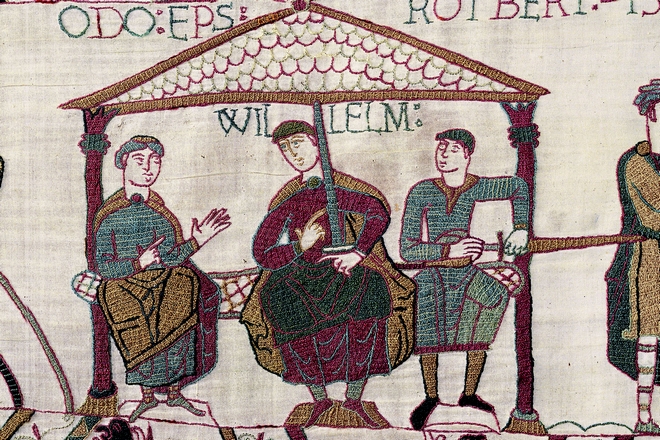
William the Conqueror was the first Norman king of England. His victory at the Battle of Hastings in 1066 transformed England’s government, society, language, and culture, leaving a legacy that can still be seen today.
Born around 1028 in Normandy, a region of northern France, William was the illegitimate son of Duke Robert I. Despite facing challenges to his authority from an early age, he proved himself a strong military leader and gained control of Normandy. By the middle of the eleventh century, he was one of the most powerful rulers in Western Europe.
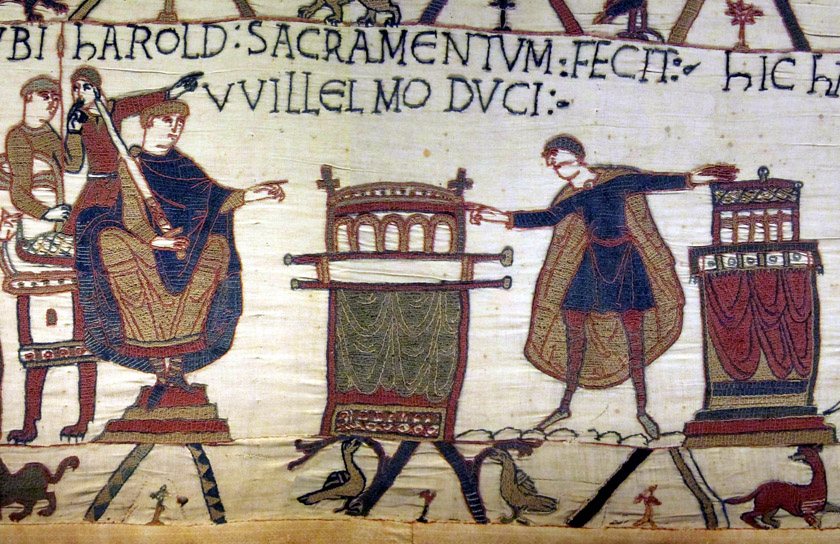
When King Edward the Confessor died without an heir in January 1066, William claimed that Edward had promised him the English throne. He also argued that Harold Godwinson, who had been crowned king by the English nobility, had previously sworn an oath to support William’s claim. Determined to gain the throne, William assembled an invasion force and crossed the English Channel in September 1066.
On 14 October 1066, William’s army defeated King Harold at the Battle of Hastings. By Christmas Day, William had been crowned King of England in Westminster Abbey. Over the following years, he consolidated his rule through castle-building, land redistribution, and administrative reforms, fundamentally reshaping the kingdom.
His rule was far from peaceful however. England just wasn’t ready to have William as their ruler and rebelled. In 1069 to 1070, William initiated what is now called the ‘Harrying of the North’. After numerous military campaigns, in which people were slaughtered and farmland burnt to dead, William was able to install his own people in senior government positions.
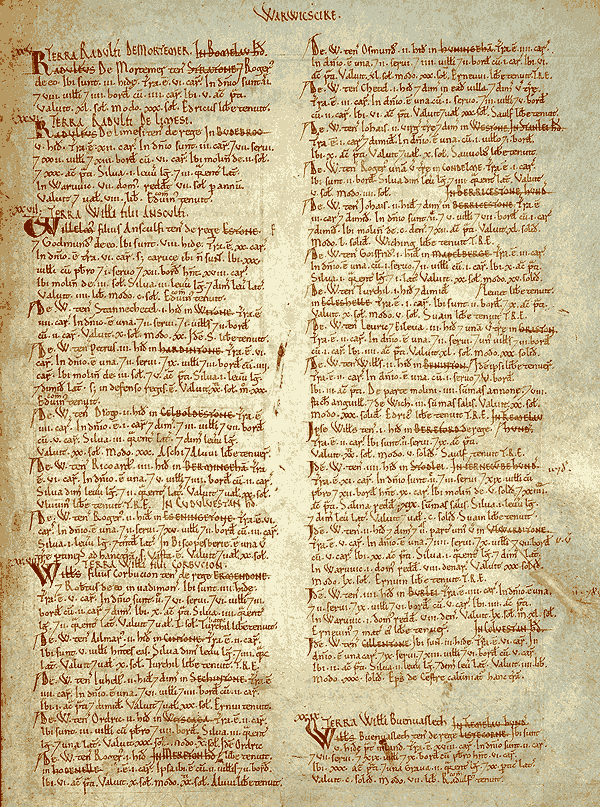
William is also remembered for commissioning the Domesday Book (old english for doomsday and labelled as such more than a hundred years later due to the harsh methods used to keep what was in the book updated), a survey of England completed in 1086 that recorded land ownership and resources throughout much of the country. It remains one of the most valuable historical records from early medieval Europe.
Reead about two of the astonishing women associated with the Bayeux Tapestry:
Aelfgifu’s Story: The Northern Queen
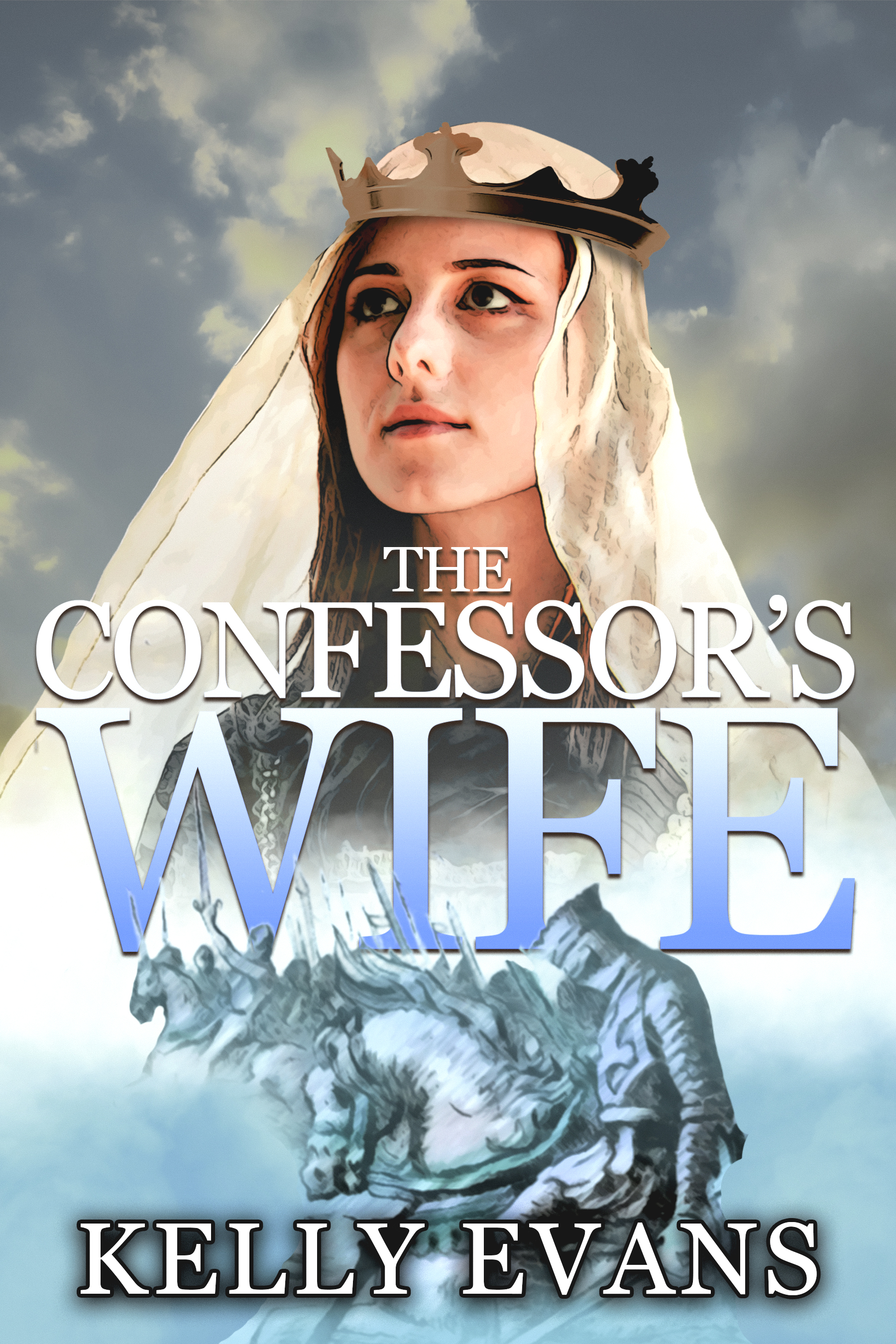
Edith of Wessex’s Story: The Confessor’s Wife
Copyright K Evans

