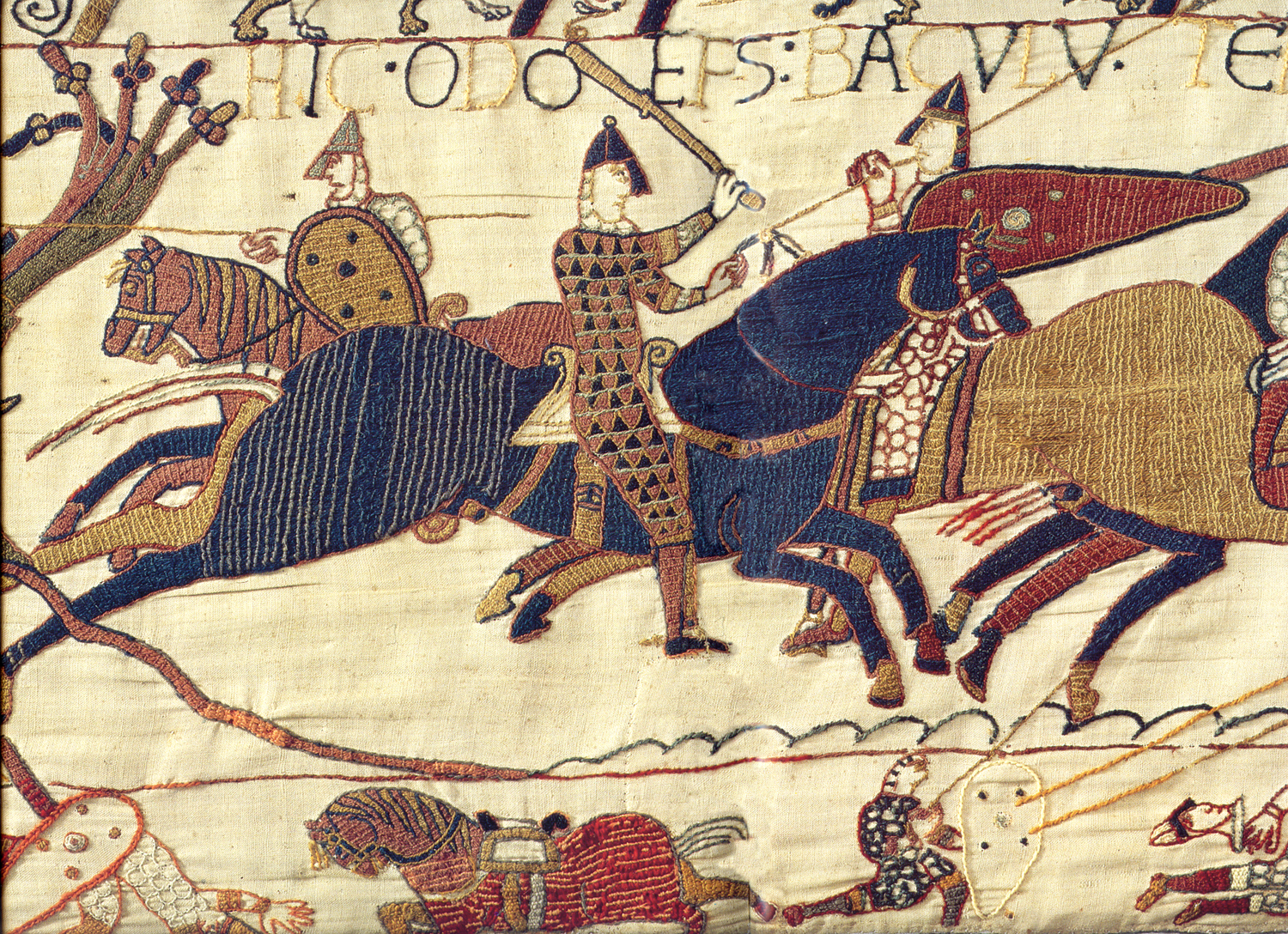
For the first time in nearly 1,000 years, the Bayeux Tapstry will move from its home in Bayeux, France to the British Museum in London, England.
If you’d like a fun introduction to the Tapestry and its importance, below are 10 fascinating facts to get you started.
1. It Isn’t Actually a Tapestry
Despite its name, the Bayeux Tapestry is technically an embroidery, not a tapestry. Tapestries are woven into the fabric itself, while the Bayeux Tapestry’s images were stitched onto a linen cloth using wool threads.
2. It’s Nearly 1,000 Years Old
The tapestry was probably created in the 1070s, only a few years after the events it depicts. That makes it one of the closest contemporary sources for the Norman Conquest of England.
3. It’s Enormous
The embroidery measures about 70 metres (230 feet) long and around 50 centimetres (20 inches) high. If laid end to end, it would stretch more than half the length of a football field.
4. Nobody Knows for Certain Who Made It
Historians believe it was likely commissioned by Bishop Odo of Bayeux, but the identity of the embroiderers remains unknown. Many scholars think highly skilled Anglo-Saxon women in England must have created it due to the level of detail and skill.
5. It Contains More Than 600 People
The tapestry depicts:
- Over 600 human figures
- More than 200 horses
- Dozens of ships
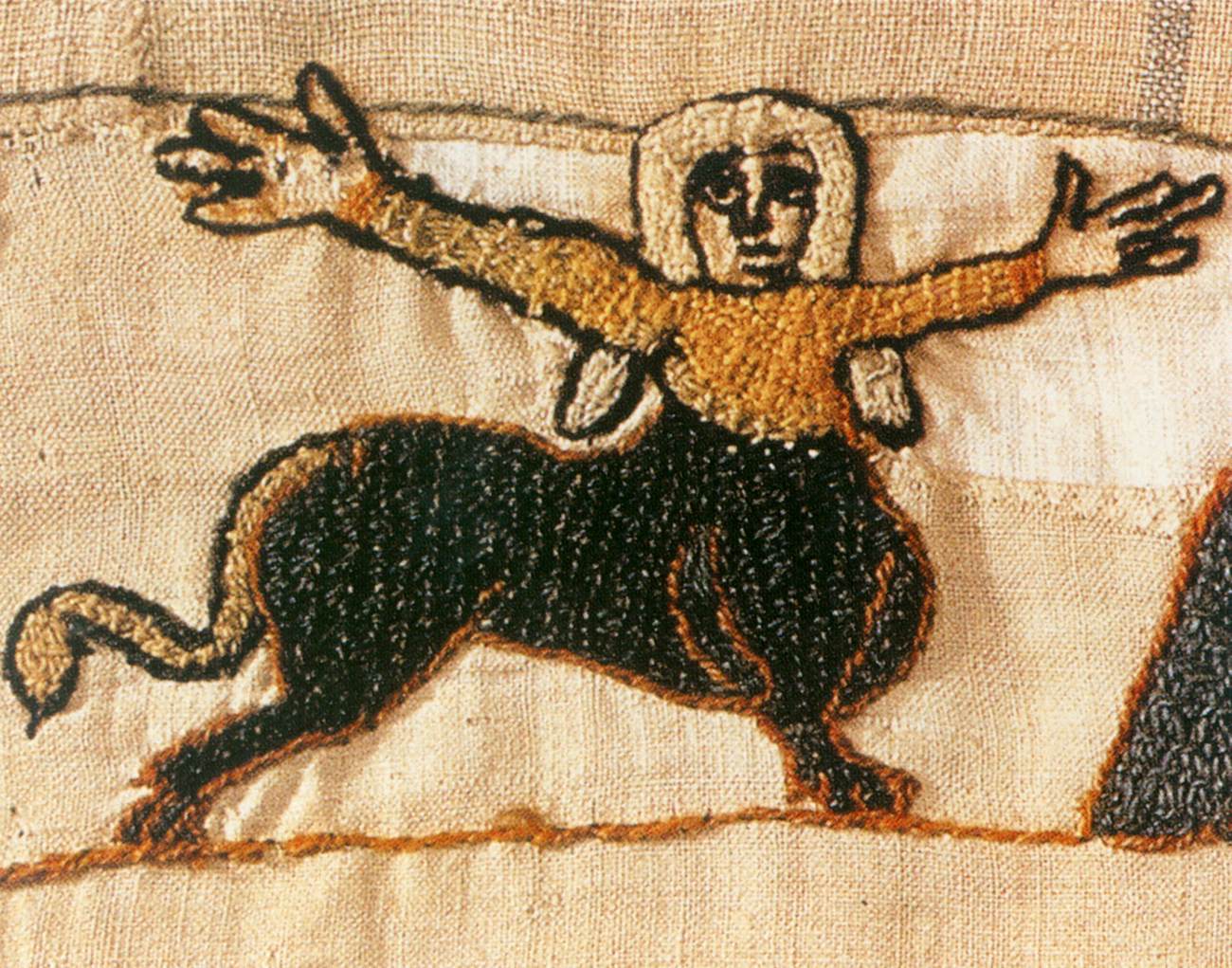
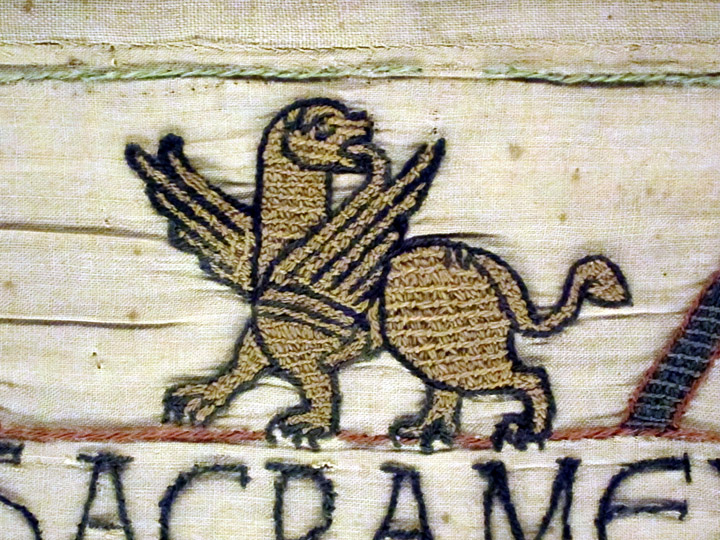
- Numerous dogs, birds, and mythical creatures
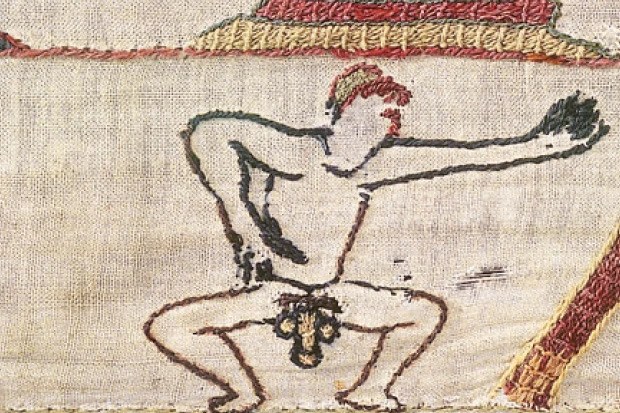
- A fair number of men with their willies out – 5 to be exact
6. Halley’s Comet Appears
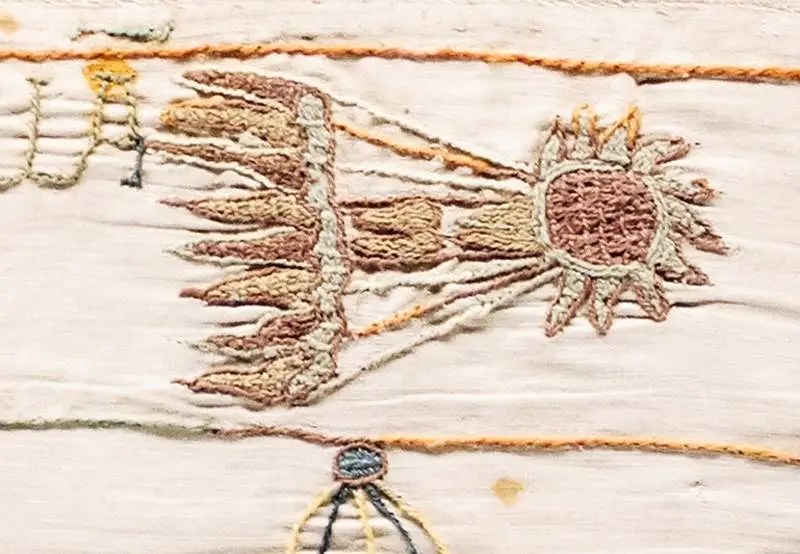
One of the most famous scenes shows Halley’s Comet blazing across the sky in 1066. The appearance of the comet was seen as a powerful omen by many people of the time.
7. There Is a Mysterious Woman Named Aelfgyva
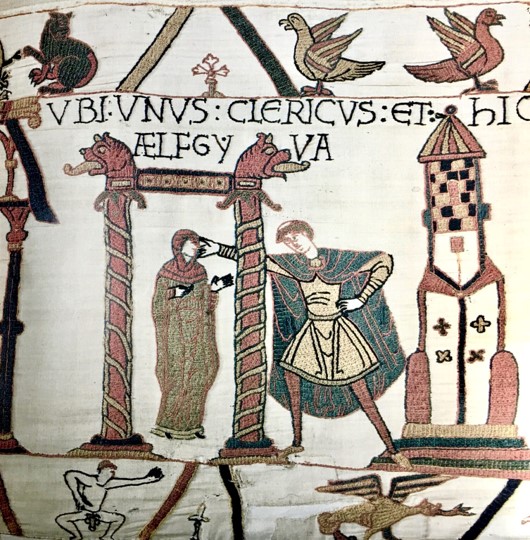
One scene shows a woman identified only as Aelfgyva. A cleric appears to be touching her face, and the scene is surrounded by strange imagery. Historians still debate who she was and what the scene means.
8. It Was Nearly Destroyed During the French Revolution
During the French Revolution, local officials planned to use the tapestry as a cover for a military wagon. Fortunately, a lawyer recognized its historical importance and intervened before it could be damaged.
9. It Doesn’t Actually Show the End of the Story
The tapestry breaks off shortly after the Battle of Hastings. Many historians believe a missing section once existed that may have shown the coronation of William the Conqueror.
10. The Illustrations in the Borders Tell Their Own Stories
The borders are filled with:
- Animals
- Fables
- Mythological creatures
- Humorous scenes
- Possible political commentary
Some of these images have no obvious connection to the main story and continue to puzzle scholars.
Read about the women
 Kelly Evans - Author