The Godwins were the most powerful family in England during the final decades of Anglo-Saxon rule. Rising from noble origins to dominate the kingdom’s politics, they played a central role in the events leading up to the Norman Conquest of 1066.
The family’s rise began with Godwin, Earl of Wessex, who became one of the wealthiest and most influential men in England during the reign of King Cnut the Great. Through skill and strategic alliances, Godwin made his family the leading noble house in the kingdom. He even had his daughter, Edith of Wessex, marry Edward the Confessor.
When Godwin died in 1053, his sons inherited vast estates and positions of power. The most famous was Harold Godwinson, who became Earl of Wessex and eventually King of England. His brothers, including Gyrth and Leofwine, also held important earldoms and helped extend the family’s influence across much of the country.
By 1066, the Godwins controlled a vast amount of land and the political power that came with each region. When Edward the Confessor died without an heir, Harold was chosen as king by the English nobility. His claim was challenged by William the Conqueror and this led to the Battle of Hastings.
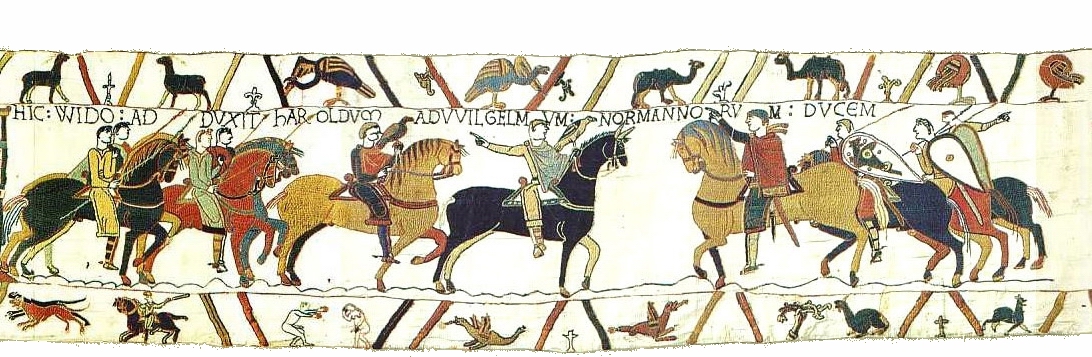
The Bayeux Tapestry includes three of the Godwin sons: Harold, Gyrth, and Leofwine. All three brothers fought at Hastings, where all three lost their lives. Their deaths marked the collapse of the family’s power and the end of Anglo-Saxon rule in England.
The Family
Godwin, Earl of Wessex (c. 1001–1053)
- the most powerful nobleman in England during the reign of King Edward the Confessor.
- from modest origins
- became Earl of Wessex and controlled much of south England.
- navigated the turbulent politics of the Danish and Anglo-Saxon courts
- established a family whose influence would dominate English affairs until the Norman Conquest of 1066.
Gytha Thorkelsdóttir (c. 997–1069)
- wife of Godwin, Earl of Wessex
- daughter of the Danish noble Thorkell the Tall
- with her Danish connections, she helped strengthen the family’s position
- mother of several influential sons and daughters, including Harold Godwinson (King of England) and Edith of Wessex (Queen of England)
- helped her husband in establishing the most powerful families in England
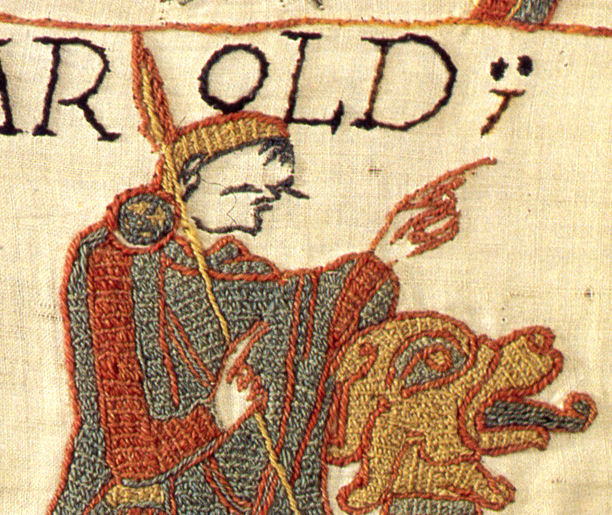
Harold Godwinson (c. 1022–1066)
- last crowned Anglo-Saxon king of England.
- succeeded Edward the Confessor in January 1066,
- defeated a Norwegian invasion at the Battle of Stamford Bridge before facing William the Conqueror at the Battle of Hastings
- killed during the battle
- his death marked the end of Anglo-Saxon rule and the beginning of Norman rule.
Tostig Godwinson (c. 1026–1066)
- Earl of Northumbria
- one of Harold’s younger brothers
- his harsh rule led to a rebellion in Northumbria
- forced him into exile.
- was bitter over Harold’s refusal to restore his earldom so joined the Norwegian’s side (Harald Hardrada) when they invaded England
- was killed alongside Hardrada at the Battle of Stamford Bridge
Gyrth Godwinson (c. 1032–1066)
- Earl of East Anglia
- one of Harold’s most loyal brothers.
- fought beside Harold at Stamford Bridge
- advised the king against leading the army himself at Hastings
- remained at Harold’s side during the battle
- was killed fighting the Norman forces
Leofwine Godwinson (c. 1035–1066)
- Earl of Kent, Essex, Middlesex, Hertfordshire, Surry, and Buckinghamshire
- youngest of the Godwin brothers to hold a major earldom,
- governing parts of southeastern England. Though less prominent than Harold or Tostig, he was a trusted supporter of his family. Like his brothers Harold and Gyrth, he died fighting at the Battle of Hastings in 1066.
Sweyn Godwinson (c. 1020–1052)
- the eldest son of Godwin
- Earl of Herefordshire.
- career marked by scandal: abduction of an abbess, murder of a cousin among other things
- despite periods of exile and reconciliation – never fully regained his family’s trust.
- died returning from a bare foot pilgrimage to Jerusalem, years before Hastings
Wulfnoth Godwinson (c. 1036–1094)
- youngest son of Godwin
- spent much of his life as a hostage in Normandy
- held as hostage first by Duke William (the Conqueror) and later by the Norman kings of England
- remained imprisoned for decades
- never regained his family’s former powe
- outlived most of his siblings
- lived largely in obscurity.
Edith of Wessex (c. 1025–1075)
- daughter of Godwin and Gytha
- became queen when she married King Edward the Confessor in 1045
- known for her intelligence and education
- was an influential figure at court
- although she and Edward had no children, Edith remained a close advisor throughout his life
Gunhild Godwinsdóttir (c. 1024–1087)
- Gunhild was one of Godwin’s daughters
- educated in a religious community.
- after the Norman Conquest, she left England and spent part of her life in exile.
- did not play as significant a role as her brothers, her life reflects the upheaval experienced by England’s nobility after 1066
Ælfgifu Godwinsdóttir (c. 1030–after 1066)
- another daughter of Godwin
- married a Welsh prince, strengthening ties between the Godwin family and Wales
- less is known about her but her strategic marriage illustrates the power of the family
Read about two of the astonishing women associated with the Bayeux Tapestry:
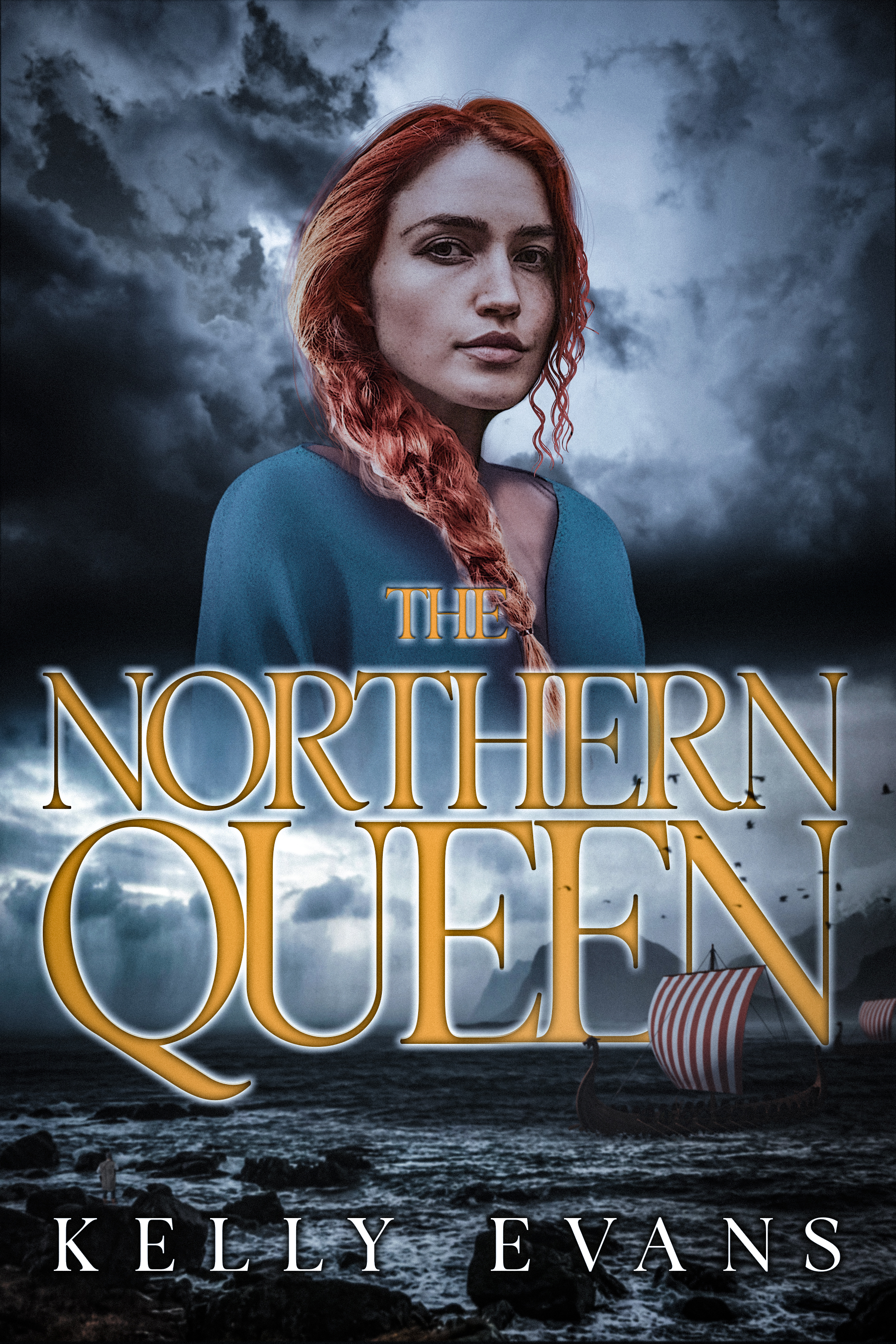
Aelfgifu’s Story: The Northern Queen
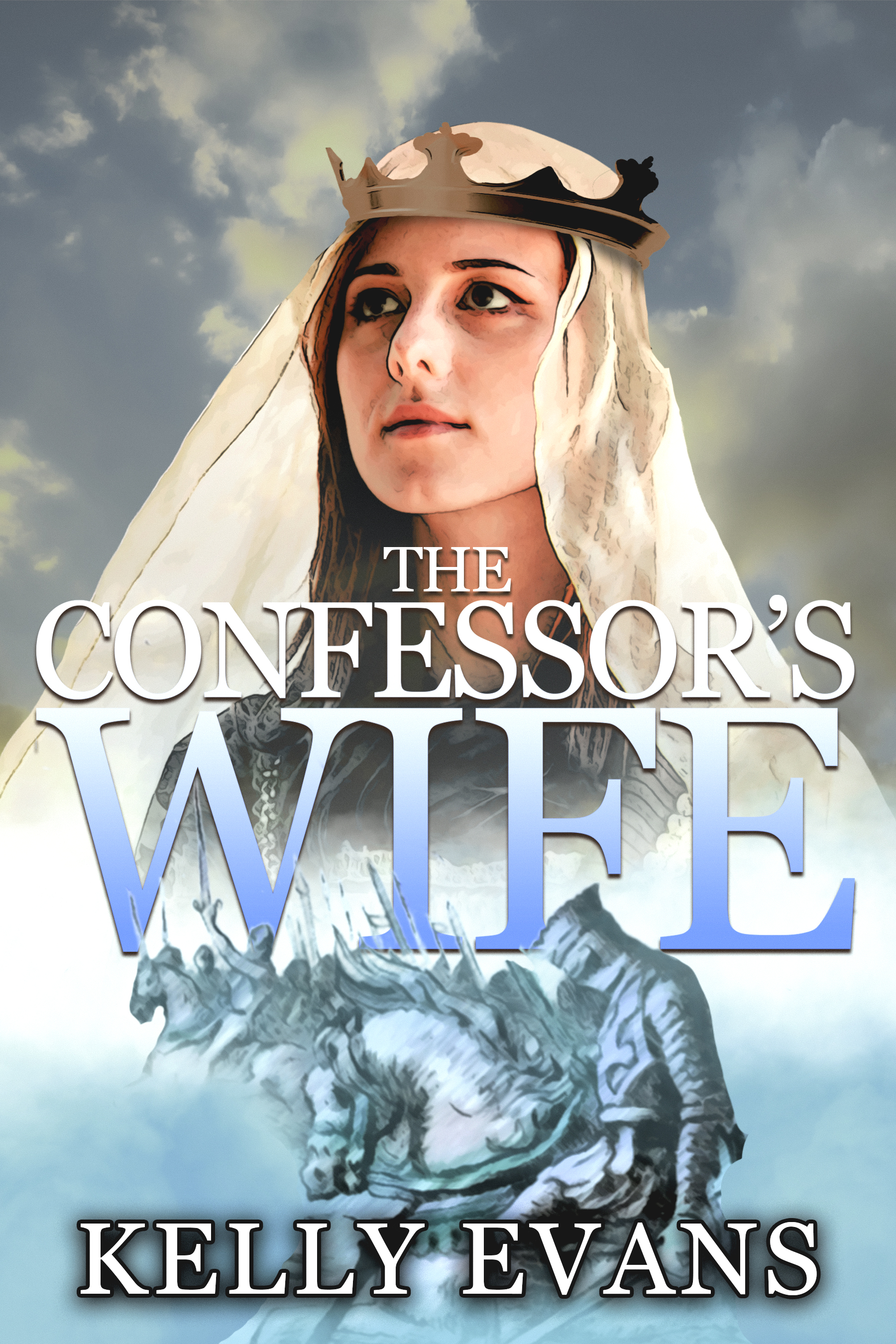
Edith of Wessex’s Story: The Confessor’s Wife
Copyright K Evans
 Kelly Evans - Author