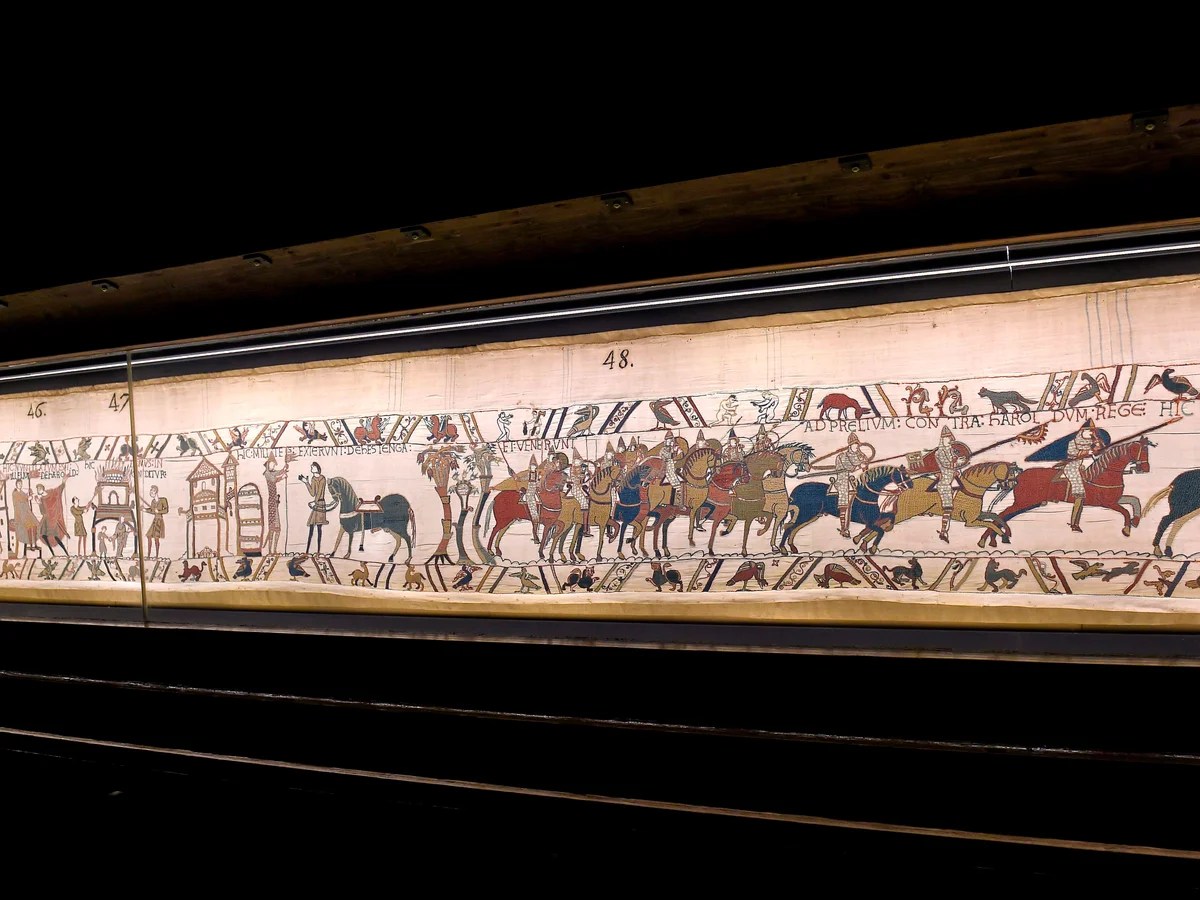
The Bayeux Tapestry is one of the most important surviving works of medieval art and a remarkable visual record of the events leading up to the Norman Conquest of England in 1066. Created in the late eleventh century, probably within a few years of the conquest itself, it tells the story of how William the Conqueror defeated Harold Godwinson at the Battle of Hastings and became King of England.
For readers of historical fiction, the Bayeux Tapestry offers a rare glimpse into the world inhabited by figures such as Edith of Wessex, Harold Godwinson, William the Conqueror, and the many women whose stories are largely absent from the embroidery itself. Its vivid images continue to inspire historians, artists, and writers as they have for nearly a thousand years.
Want to Learn More?
10 Interesting Facts About the Bayeux Tapestry
The Woman Associated with the Bayeux Tapestry
Things the Bayeux Tapestry Doesn’t Tell You
The Bayeux Tapestry in Modern Culture
Who Was William the Conqueror?

Make Your Own Bayeux Tapestry: a fun little tool that let’s you create your own version of the Bayeux Tapestry. Free to use and the open source code is accessible. All the images are from the Tapestry, you can move them around and make your own scenes.
Read about two of the astonishing women associated with the Bayeux Tapestry:
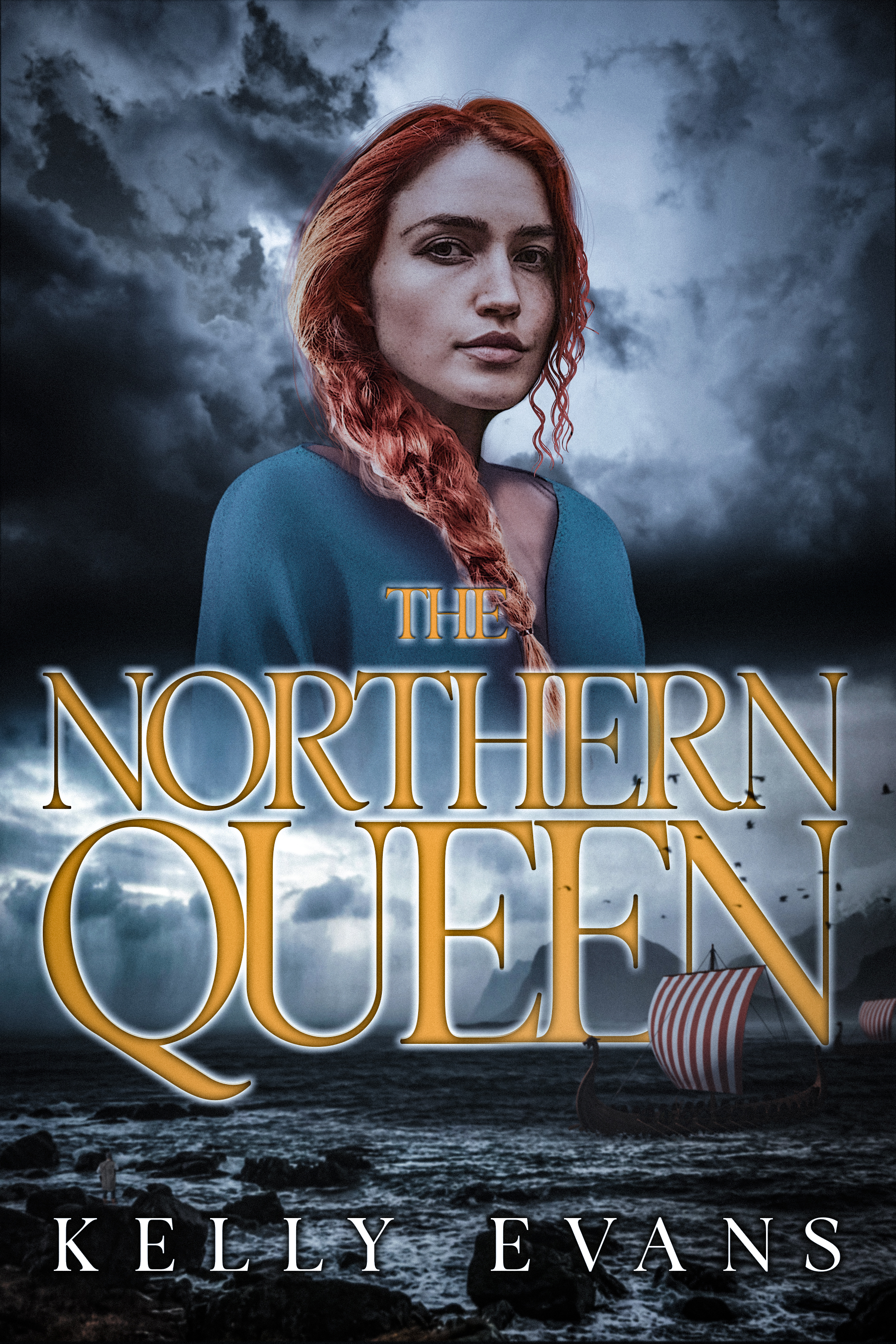
Aelfgifu’s Story: The Northern Queen
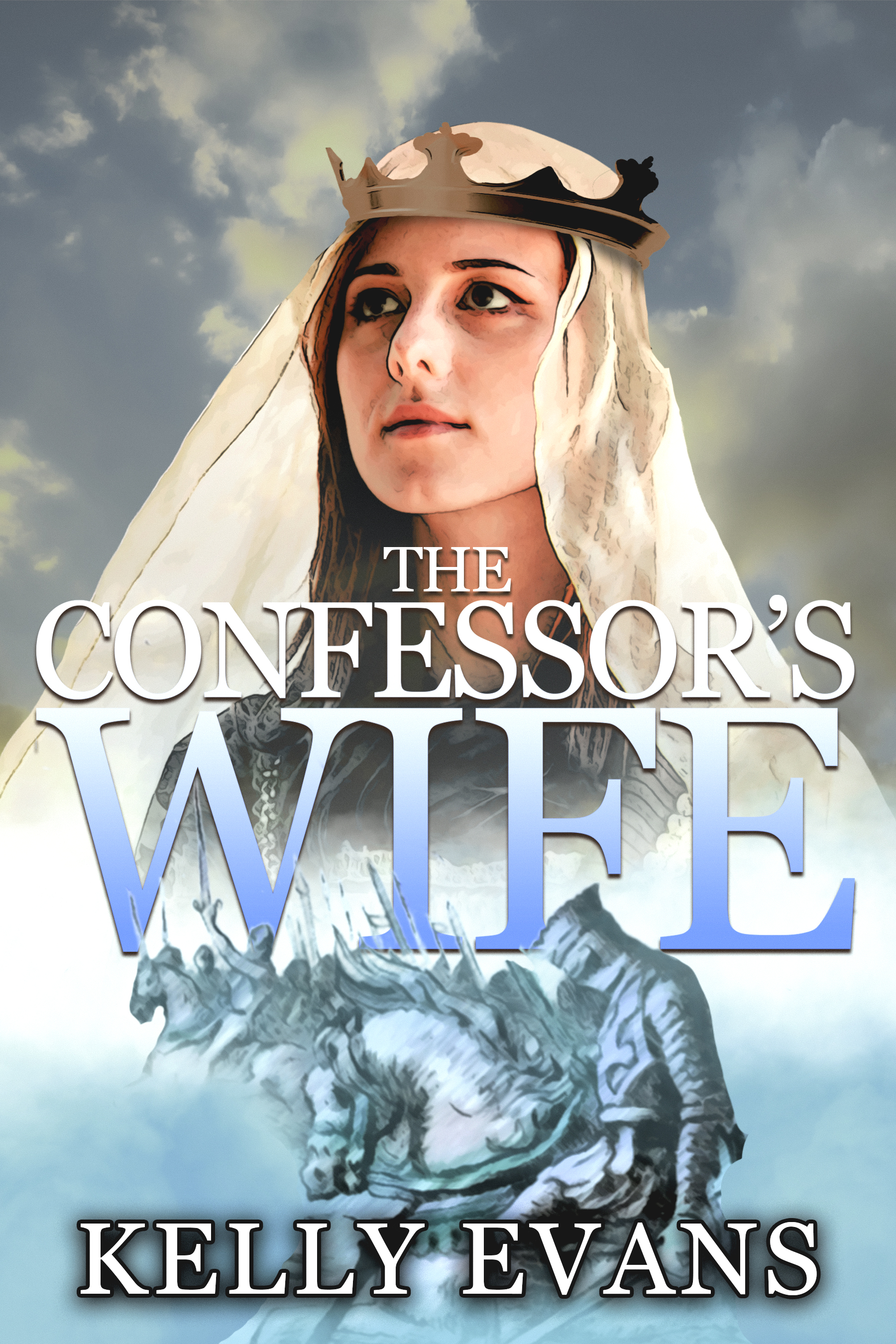
Edith of Wessex’s Story: The Confessor’s Wife
Copyright K Evans

