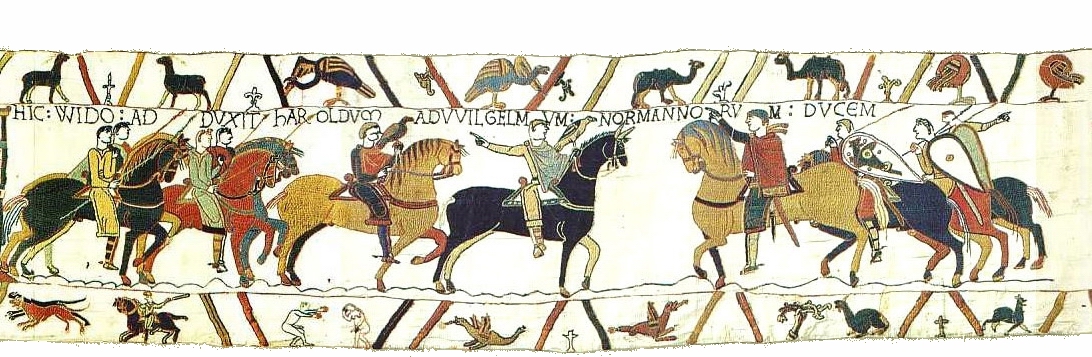
The Bayeux Tapestry is one of the most important historical records about the Battle of Hastings and the events leading up to it. People are familiar with the events depicted, but what doesn’t the Tapestry tell you?
Who Ordered King Edward’s Deathbed Succession?
The tapestry shows King Edward the Confessor on his deathbed and a short while afterwards Harold Godwinson being crowned. What it does not tell us is exactly what Edward said before he died. Did he truly name Harold as his successor, as English sources claim? Or had he already promised the throne to William of Normandy, as Norman writers later argued? It’s one of many things we’ll never know.
What Happened to the Women?
Women appear only briefly in the tapestry, despite their importance in the events surrounding 1066. Powerful figures such as Edith of Wessex, Emma of Normandy, and Harold’s sisters are almost entirely absent. The tapestry presents history largely as a story of men. You can read my article on the main women women associated with the tapestry here: The Woman Associated with the Bayeux Tapestry
Why Harold Was Really in Normandy
The tapestry depicts Harold crossing the Channel and visiting William, but it never explains why he made the journey. Was he on a diplomatic mission? Was he shipwrecked? Was he sent by Edward? Historians have debated the answer for centuries and the discussions are set to continue.
Whether Harold Actually Swore an Oath
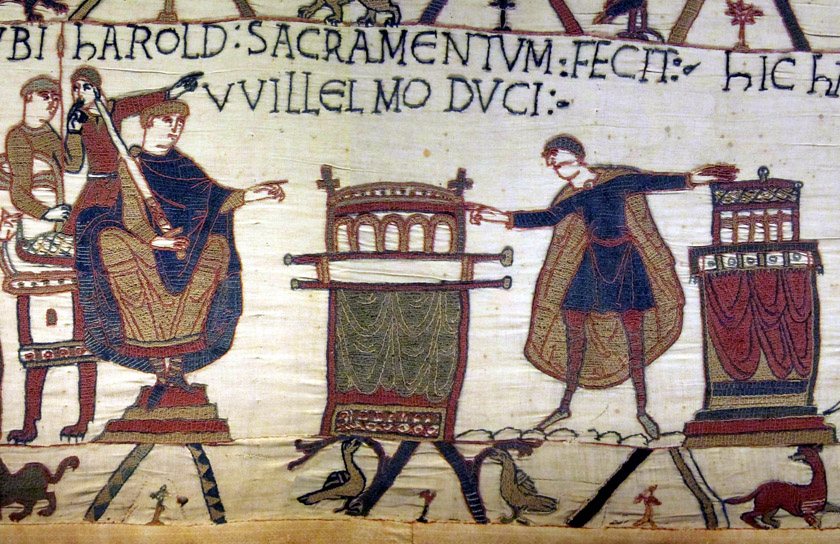
One of the tapestry’s most famous scenes shows Harold swearing an oath to William. Yet we are never told exactly what promises were made. The Norman version of events portrays Harold as a perjurer; English sources are far less certain. Keep in mind that the tapestry tells history from the Norman point of view so obviously their history will favour them.
What Ordinary People Thought
The tapestry focuses on kings, earls, bishops, and knights. Missing are the voices of the thousands of ordinary English men and women whose lives were transformed by the conquest. We never hear what farmers, merchants, monks, or craftsmen thought about the invasion. The lives of everyday people were just not documented, it was only the upper classes and royalty.
The Human Cost of the War
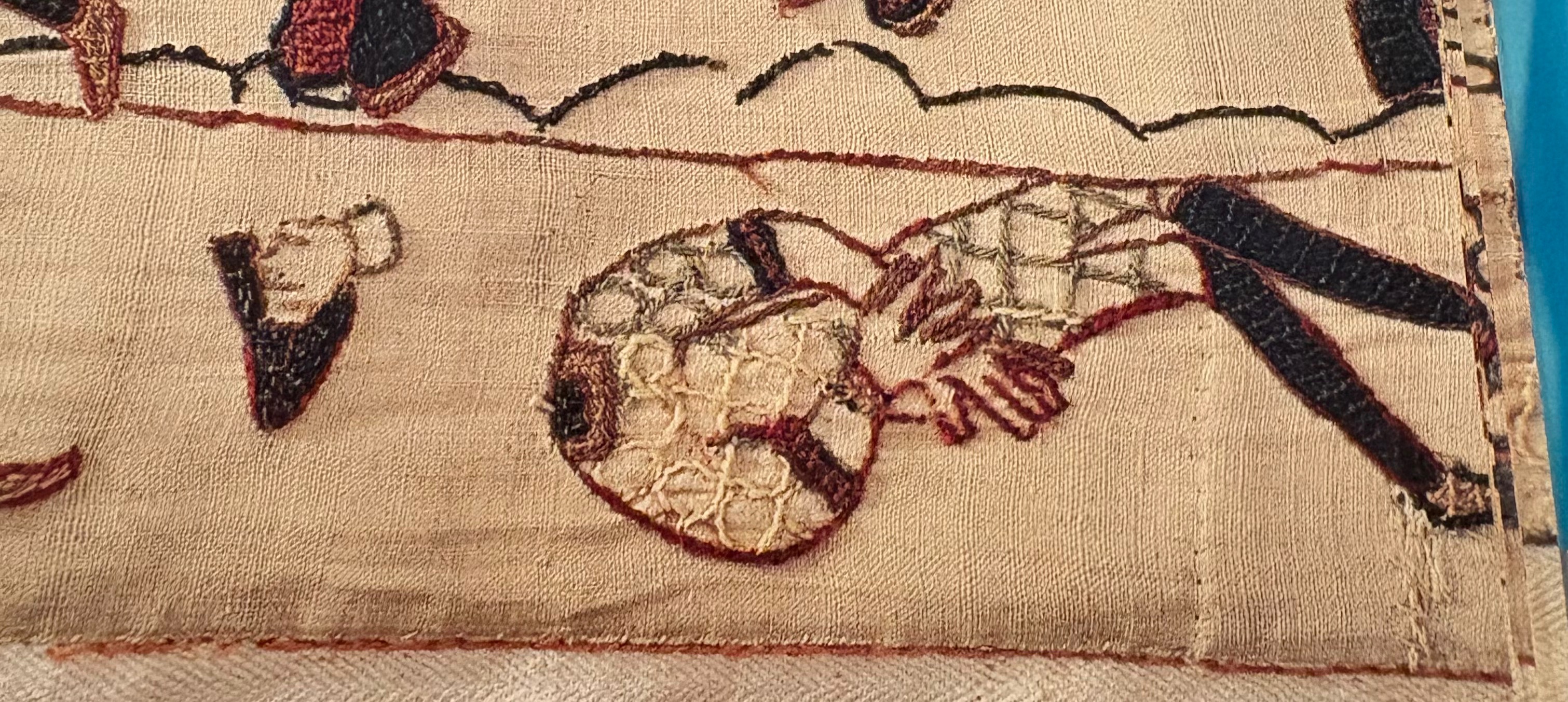
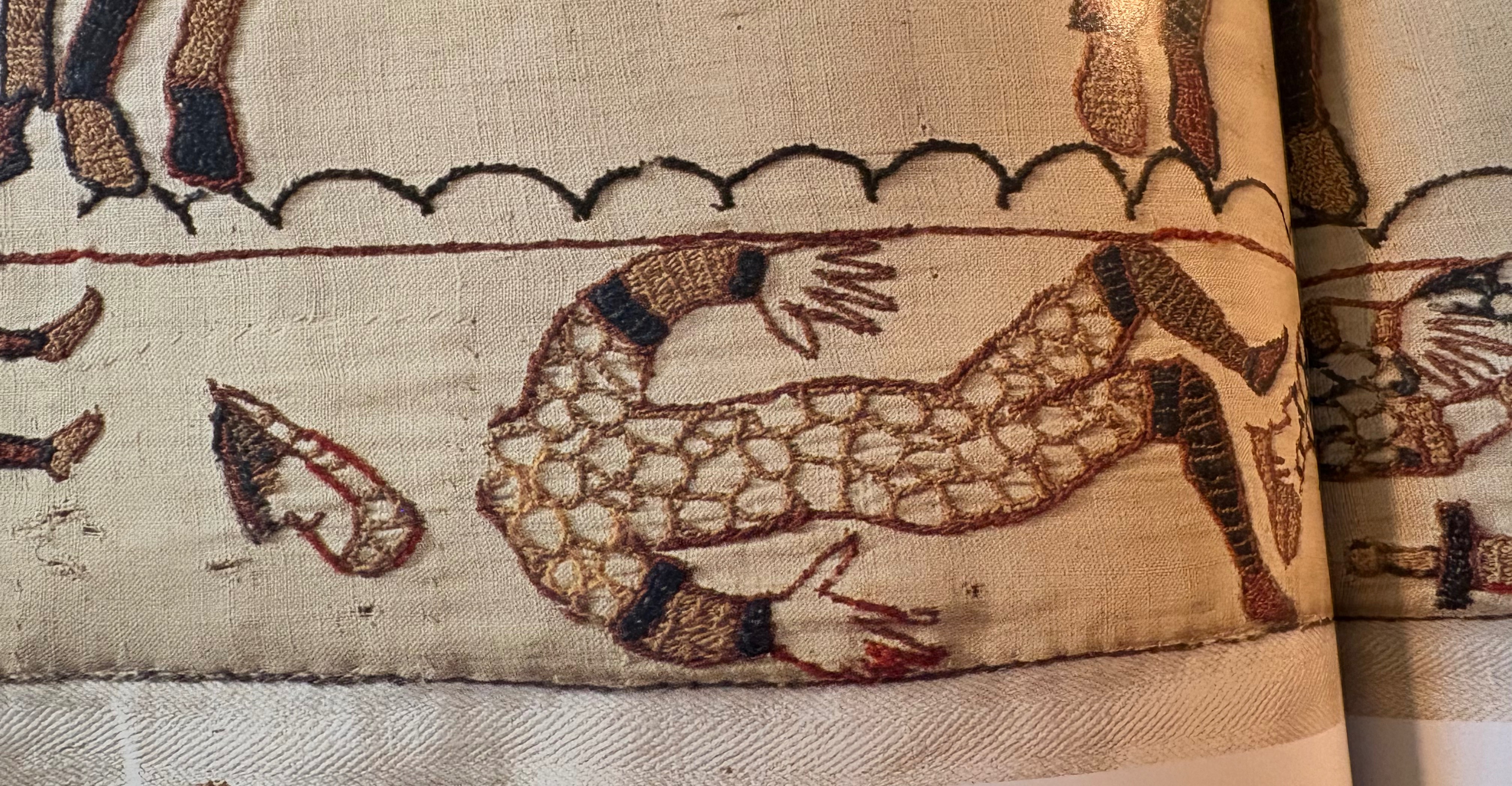
The Battle of Hastings dominates the tapestry, but the suffering that followed receives little attention. Thousands died, communities were disrupted, and much of England’s ruling class was replaced. The conquest reshaped England for generations. The tapestry does, however, show headless bodies lying on the ground, more than likely knights.
What Happened After Hastings
Many people assume the story ends with William’s victory. In reality, the conquest was far from complete. The tapestry stops before the rebellions, resistance movements, and brutal campaigns that secured Norman rule across England (known as the Harrying of the North). No one is certain if the last part of the tapestry was completed and somehow torn off, or if it was never actually completed.
How Accurate the Famous Arrow Scene Is
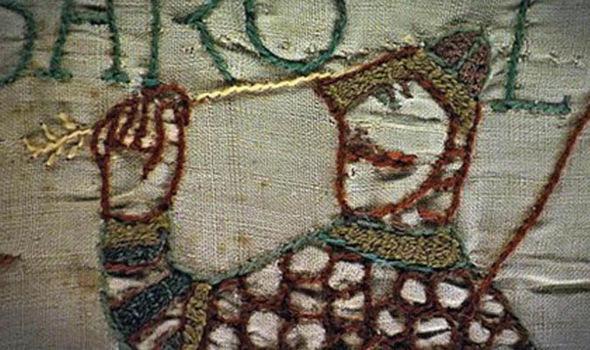
The tapestry may show Harold being struck in the eye by an arrow, (the famous story of his cause of death for hundred of years) but historians are not entirely sure. Damage and later repairs have made interpretation difficult. Harold may have died from multiple wounds, and the arrow in the Tapestry a later addition.
Who Made the Tapestry
Despite centuries of study, we do not know exactly who designed and embroidered the work. Many scholars believe it was created in England, possibly by skilled women working in a monastic workshop, but the identities of the artists remain unknown. One candidate for who designed it is Edith of Wessex.
Read about two of the astonishing women associated with the Bayeux Tapestry:
Aelfgifu’s Story: The Northern Queen
Edith of Wessex’s Story: The Confessor’s Wife
Copyright K Evans

