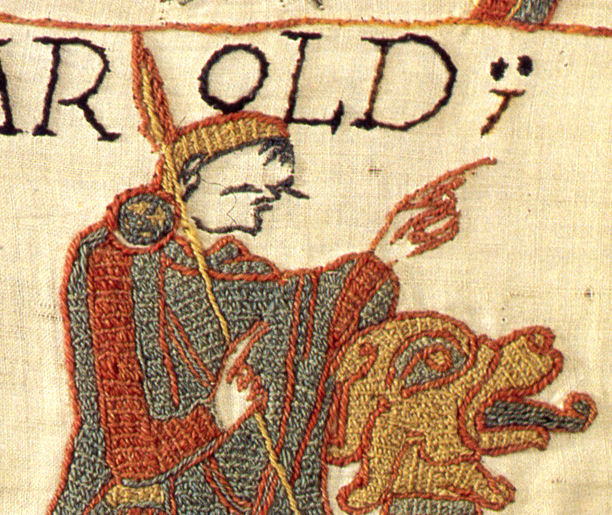
Harold Godwinson (or Godwinsson) was a member of the powerful Godwin family and the last Anglo-Saxon king of England. Crowned in January 1066 following the death of King Edward the Confessor, Harold’s reign lasted less than a year but would end in the most famous battle in English history: the Battle of Hastings.
Born around 1022, Harold was the son of Godwin, Earl of Wessex, the most powerful nobleman in England. Through military skill, political influence, and family connections, Harold became one of the kingdom’s leading figures and was widely regarded as Edward the Confessor’s closest adviser. Upon Edward’s death, the English nobility chose Harold as king, believing him best suited to defend the realm.
His claim to the throne was immediately challenged. William the Conqueror argued that Edward had promised him the crown, while Harald Hardrada of Norway claimed England through an earlier agreement between Norse rulers.
In September 1066, Harold won a major victory over the Norwegian invasion taking place under Harald Hardrada at the Battle of Stamford Bridge. However, only weeks later, he was forced to march south to confront William’s Norman army. Historians still debate Harold’s loss at Hastings. Was his army too tired after Stamford Bridge and then the trek south to Hastings? This seems to be the prevailing opinion.
On 14 October 1066, Harold and William met at the Battle of Hastings. After a fierce day-long struggle, Harold was killed, and the English army was defeated. His death marked the end of Anglo-Saxon rule in England and the beginning of the Norman era.
(Harold’s death has been attributed by many to an arrow hitting him in the eye:
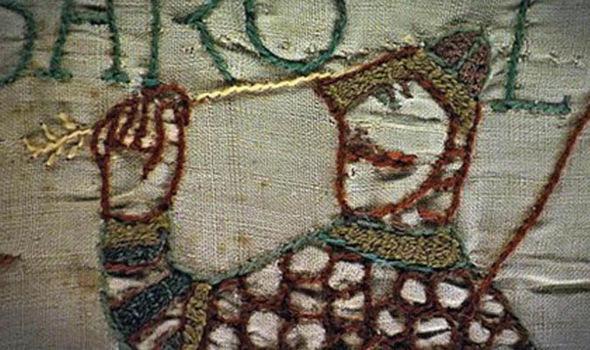
The problem is, the above arrow was added years afterwards and there is no cotemporary evidece of it.)
Read about two of the astonishing women associated with the Bayeux Tapestry:
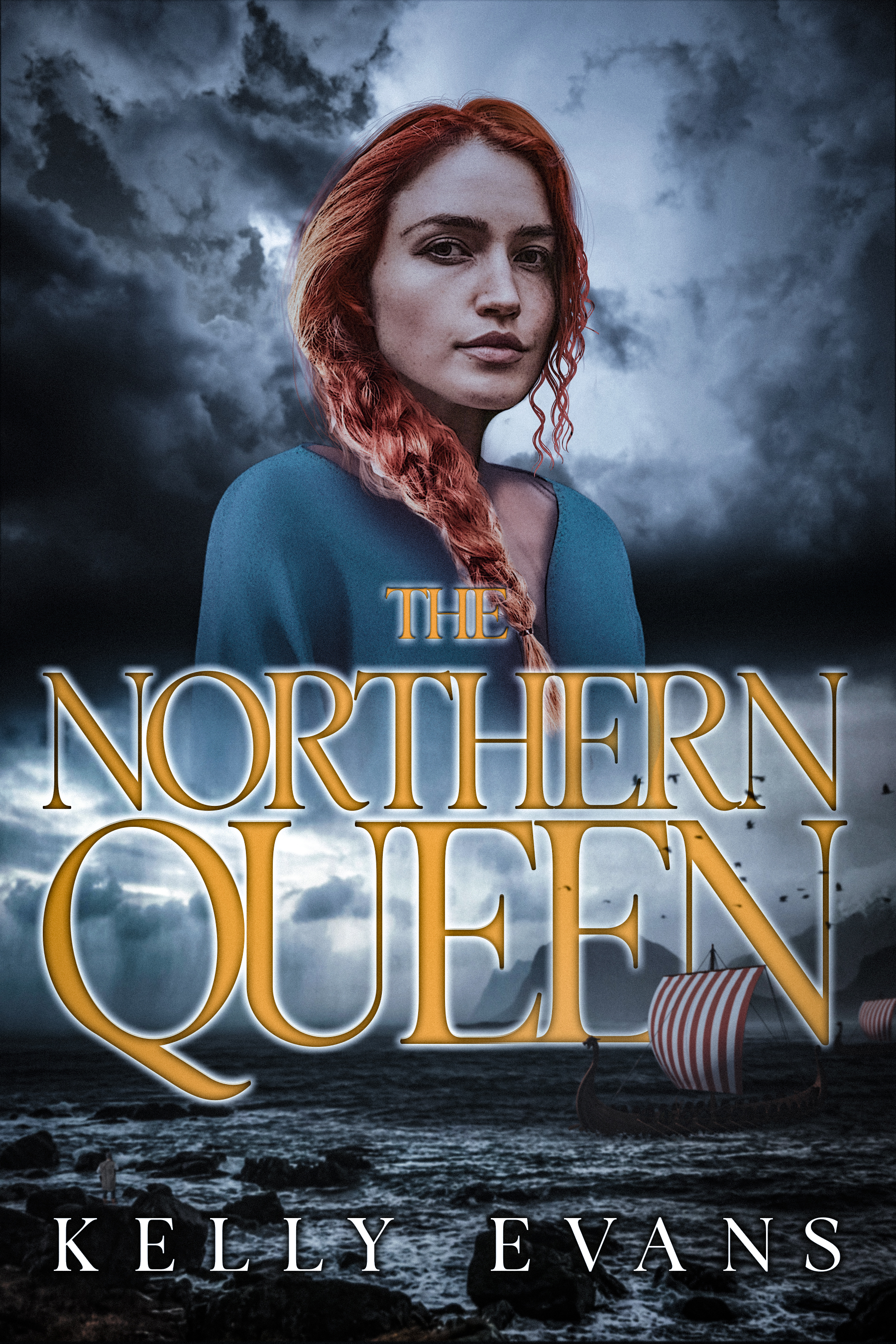
Aelfgifu’s Story: The Northern Queen
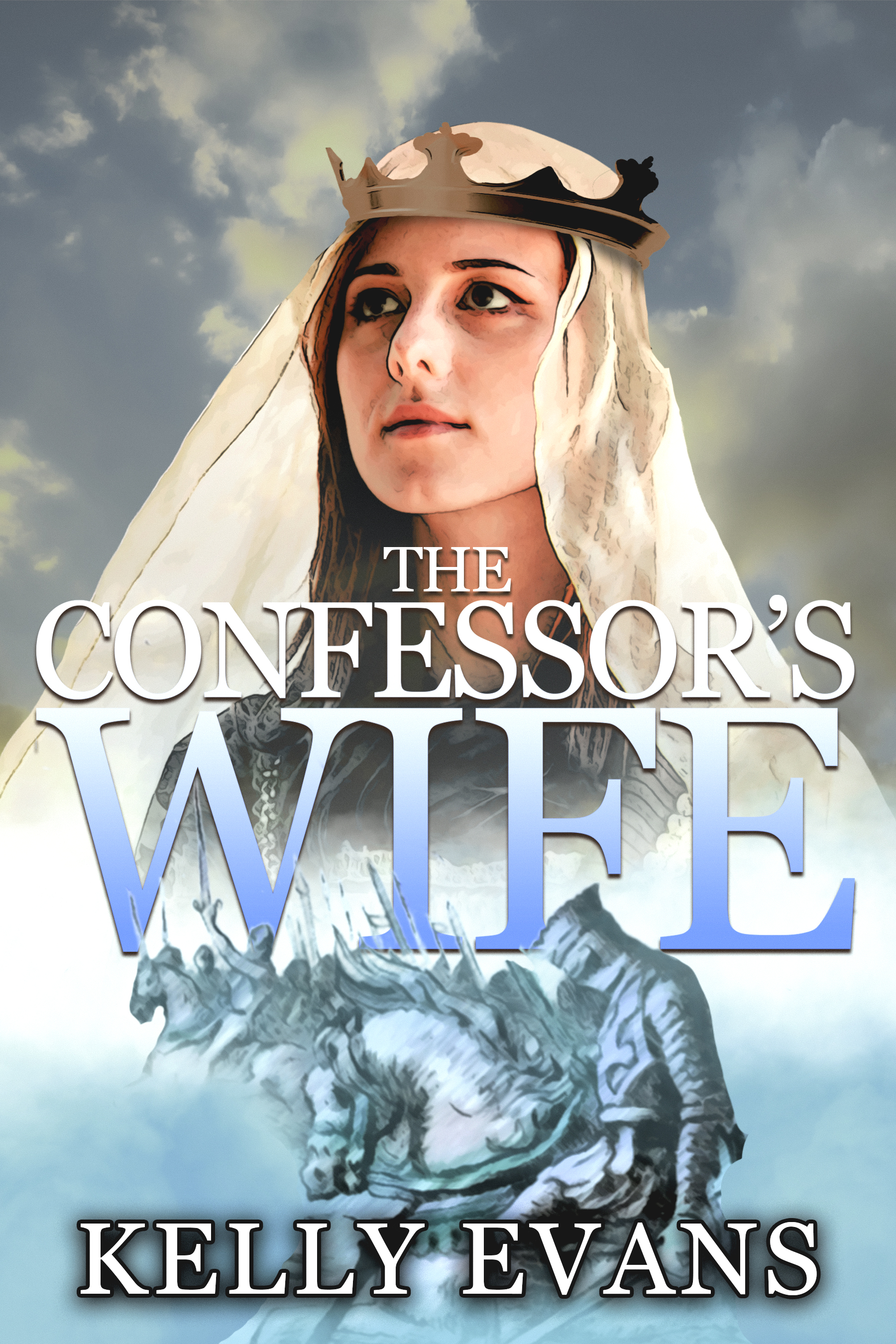
Edith of Wessex’s Story: The Confessor’s Wife
Copyright K Evans

